Static first
Each demo is plain HTML, CSS and JavaScript on a CDN-shaped host. No build step to break, nothing to reinstall six months from now, and it opens instantly on a hotel wifi.
Every project we run exists as a live deployment from the first weeks. These are the same kind of builds — front ends we put on a real URL so a decision can be made by looking at software instead of a mockup.
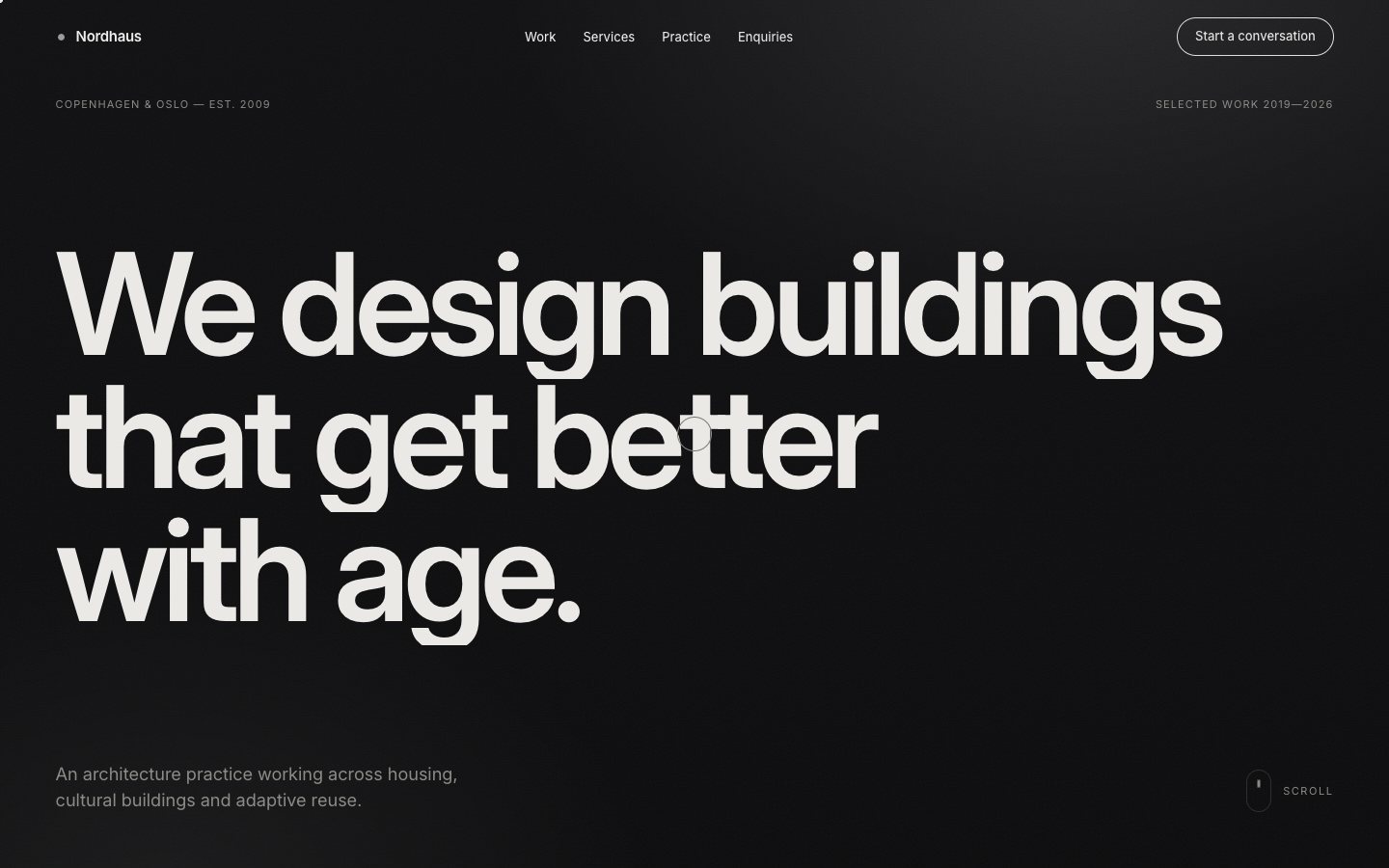
A scroll-driven landing page for an architecture practice. Masked line reveals, a pinned horizontal work section, a sticky card stack and a parallax split — all in vanilla JS.
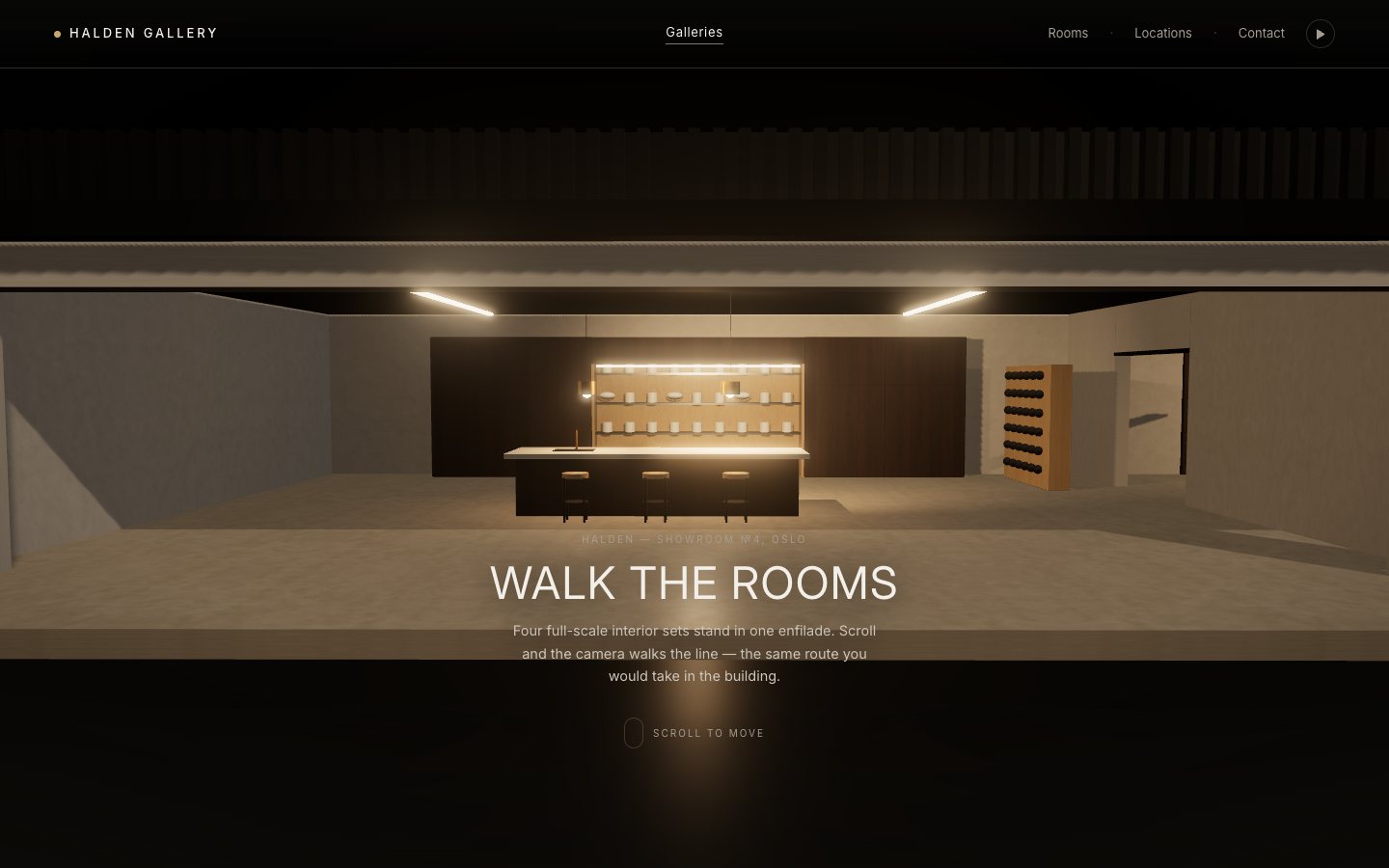
A virtual showroom in WebGL. Four full-scale interior sets stand in one enfilade and the scroll wheel walks the camera through them, stopping at each room.
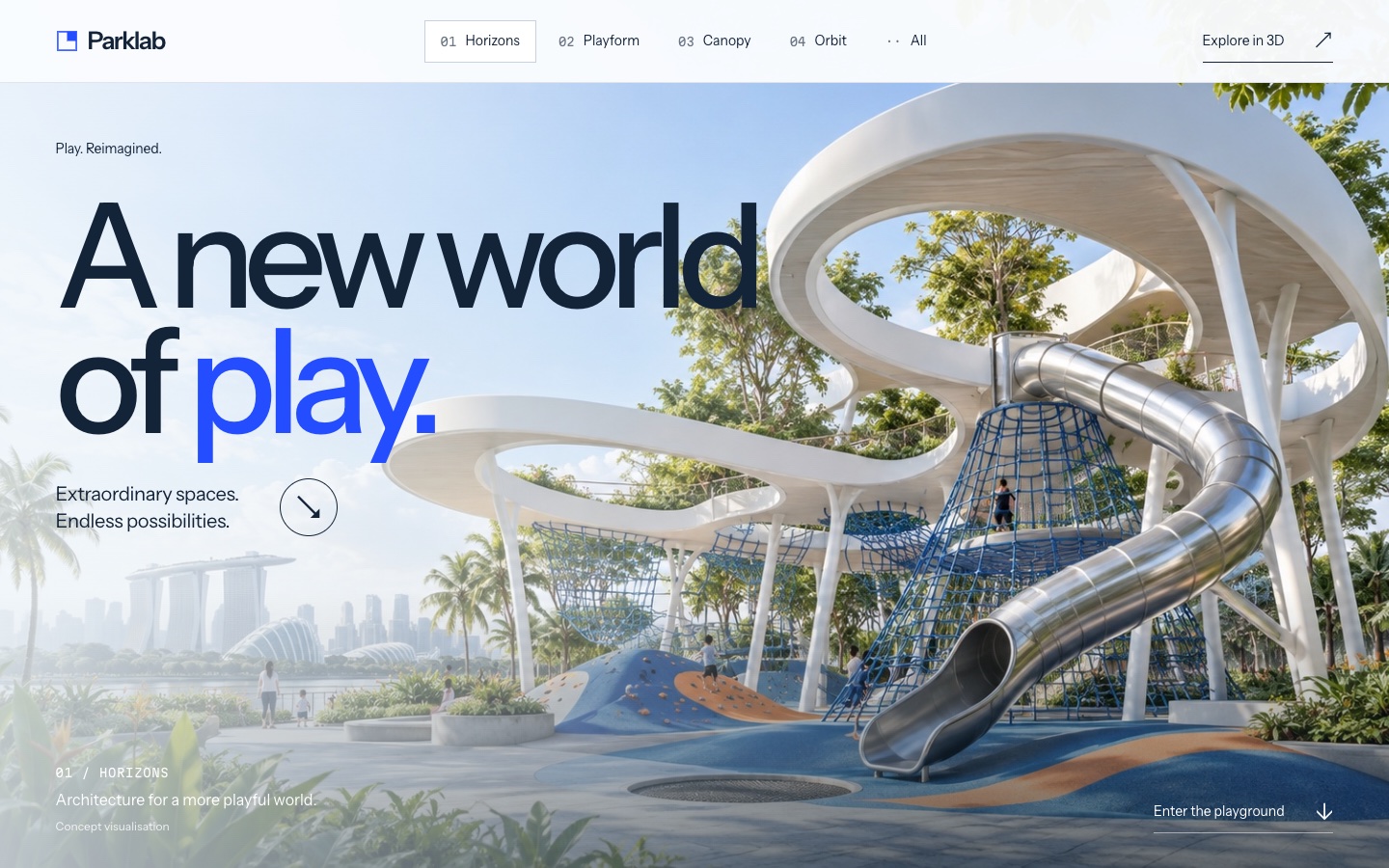
Six design directions for a playground builder, switchable from one header. Each carries a concept visual and a WebGL model you can orbit, re-surface and re-finish.
An operations dashboard: live tables, filters that survive a reload, and charts that stay readable in both themes.
A product assistant wired into a real workflow — streaming answers, tool calls and a visible trace of what it did.
Each demo is plain HTML, CSS and JavaScript on a CDN-shaped host. No build step to break, nothing to reinstall six months from now, and it opens instantly on a hotel wifi.
Every demo gets its own address under demo.wetrio.dev, with its own certificate. Send a client one link and they see one thing — no folders, no logins, no build artefacts.
No lorem ipsum. Each demo is written as if the business were real, because the point is to judge how the thing reads and behaves — not to squint past placeholder text.
Tell us what you are building. We will tell you what the smallest version worth building looks like — and when you can click it.